Writing Engaging Blog Posts
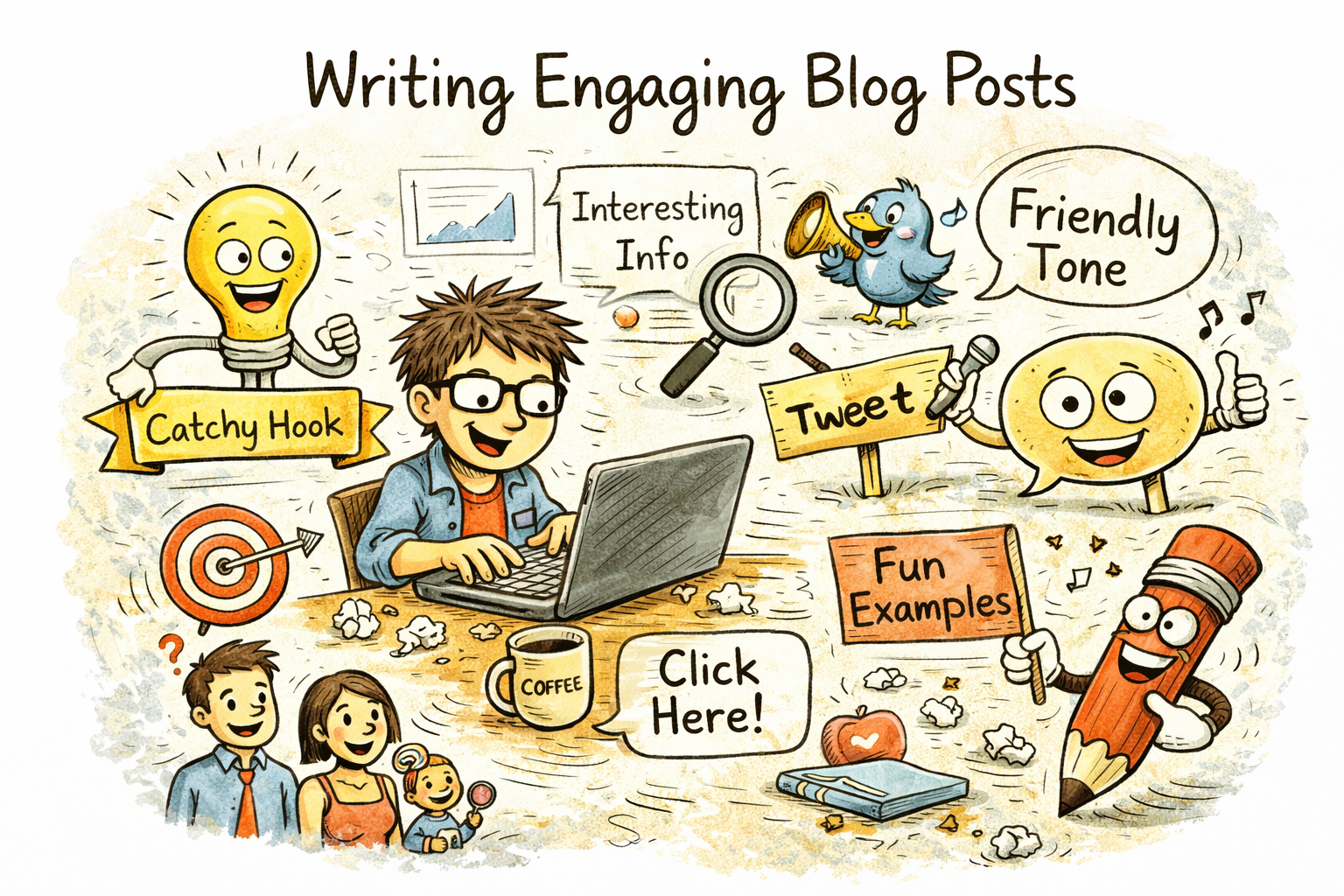
Blogging has become an important way for organisations, researchers, and professionals to share knowledge and connect with audiences. However, simply publishing information is not always enough. Readers are far more likely to engage with blog posts that are clear, interesting, and easy to follow.
Creating engaging blog content requires thoughtful planning, strong structure, and an understanding of what readers are looking for.
Start With a Clear Purpose
Every blog post should have a clear purpose. Before writing, it is helpful to ask what readers should gain from the article. A focused purpose helps guide the content and prevents the article from becoming unfocused.
Common blog purposes include:
- explaining a concept
- sharing insights or expertise
- offering practical advice
- discussing new developments in a field
When the purpose is clear, it becomes easier to organise ideas and maintain reader interest.
Create a Strong Opening
The first few sentences of a blog post are crucial. Many readers decide within seconds whether they want to continue reading.
An engaging opening might introduce a question, highlight a common challenge, or briefly explain why the topic is relevant.
A strong introduction encourages readers to explore the rest of the article.
Use Clear and Accessible Language
Blog posts are usually easier to read than formal academic writing. Clear language helps readers understand ideas quickly and keeps them engaged.
Short sentences and straightforward explanations often work better than complex language.
Break Content Into Sections
Large blocks of text can discourage readers. Dividing content into sections makes blog posts more visually accessible and easier to navigate.
Helpful techniques include:
- using clear headings
- keeping paragraphs relatively short
- using bullet points when appropriate
These techniques help readers quickly locate the information they find most useful.
Provide Practical Value
Readers are more likely to engage with blog posts that provide useful insights or practical advice. Examples, explanations, and suggestions can help readers apply ideas to their own work or interests.
Providing clear value encourages readers to return for future articles.
Encourage Reflection or Further Reading
A good conclusion should reinforce the central idea of the article while encouraging readers to think further about the topic.
This might include suggesting related topics, encouraging readers to explore additional resources, or inviting them to continue learning.
Final Thoughts
Engaging blog posts combine clear structure, accessible language, and useful insights. By focusing on reader needs and presenting information in an organised way, writers can create content that attracts attention and encourages meaningful engagement.
With practice, blogging can become a powerful way to share knowledge and build connections with a wider audience.
← Back to Writing Library ← Back to Blog