How to Evaluate Sources With Confidence
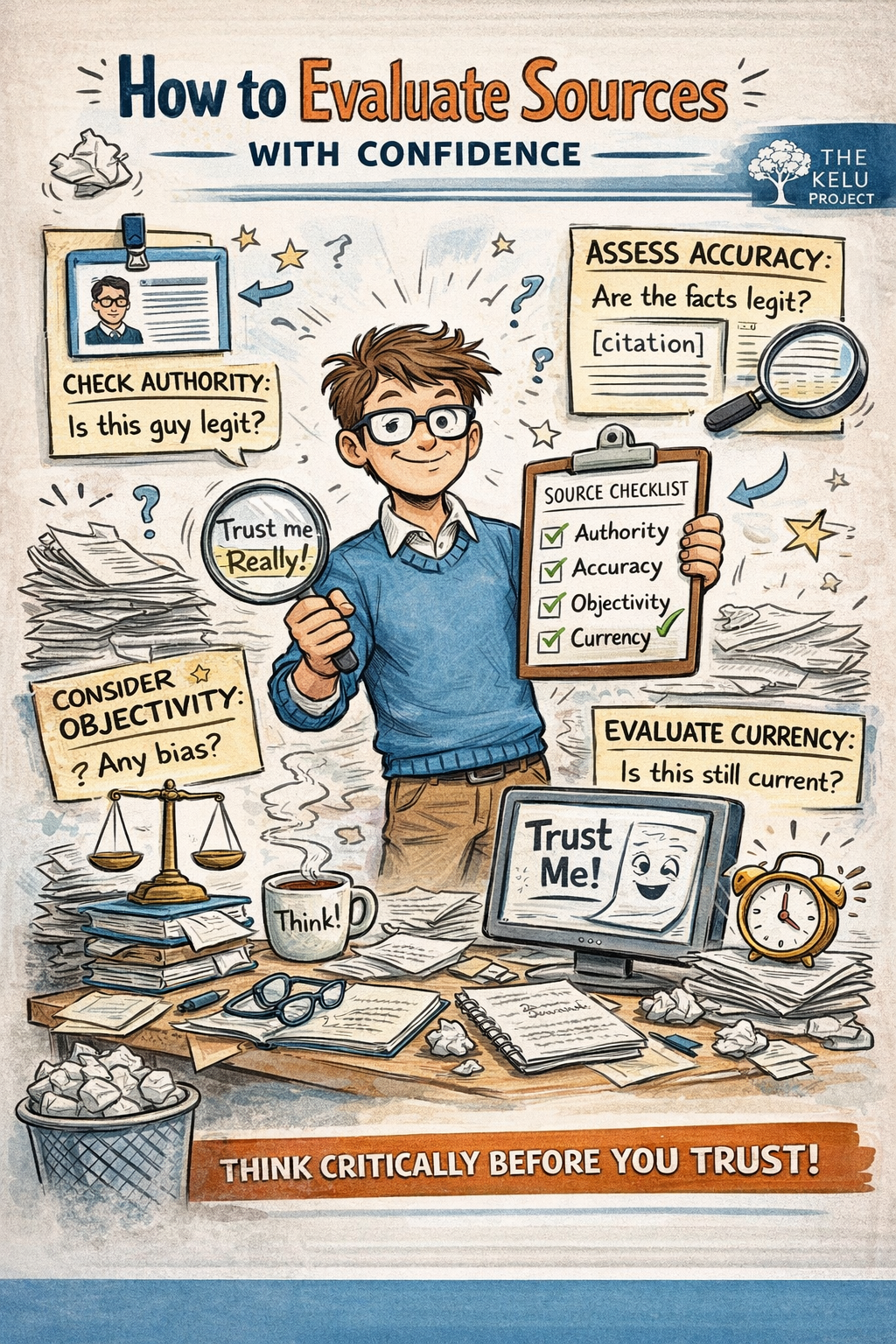
Reliable research depends on the quality of the sources used. Evaluating sources carefully helps ensure that information is accurate, credible, and relevant to the topic being explored.
Why Source Evaluation Matters
Not all information available online or in print is equally trustworthy. Some sources may present incomplete data, outdated findings, or unsupported opinions.
Careful evaluation helps researchers and writers identify sources that contribute meaningful and reliable information.
Consider the Author
Understanding who created a source can provide insight into its reliability. Authors with relevant expertise, academic backgrounds, or professional experience are often more credible sources of information.
Examine the Publication
The publication or platform where information appears can also affect its credibility. Academic journals, reputable news organisations, and established research institutions typically follow strong editorial standards.
Check the Evidence
High-quality sources usually provide supporting evidence such as data, references, or citations. These elements allow readers to verify the information and understand how conclusions were reached.
Look for Balance and Objectivity
Credible sources generally present information in a balanced and transparent way. While opinions may still be expressed, they are often supported by evidence and reasoning.
Consider the Date
In many fields, information evolves quickly. Checking when a source was published helps ensure that the material remains relevant and up to date.
Final Thoughts
Evaluating sources is an essential research skill. By considering authorship, evidence, credibility, and relevance, writers can build stronger research foundations and produce more reliable work.
← Back to Writing Library ← Back to Blog